



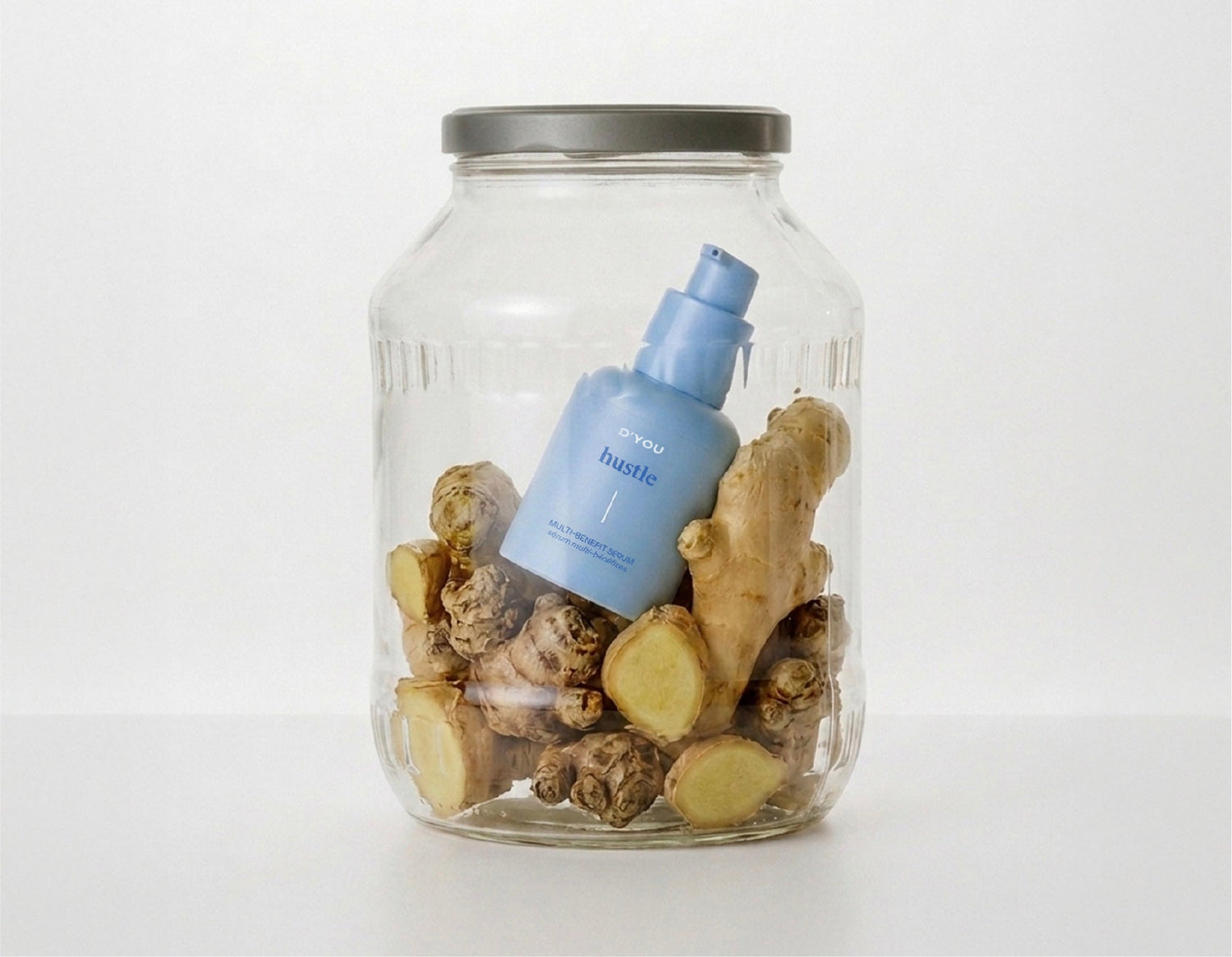
The science behind hustle 2.0

The science behind hustle 2.0

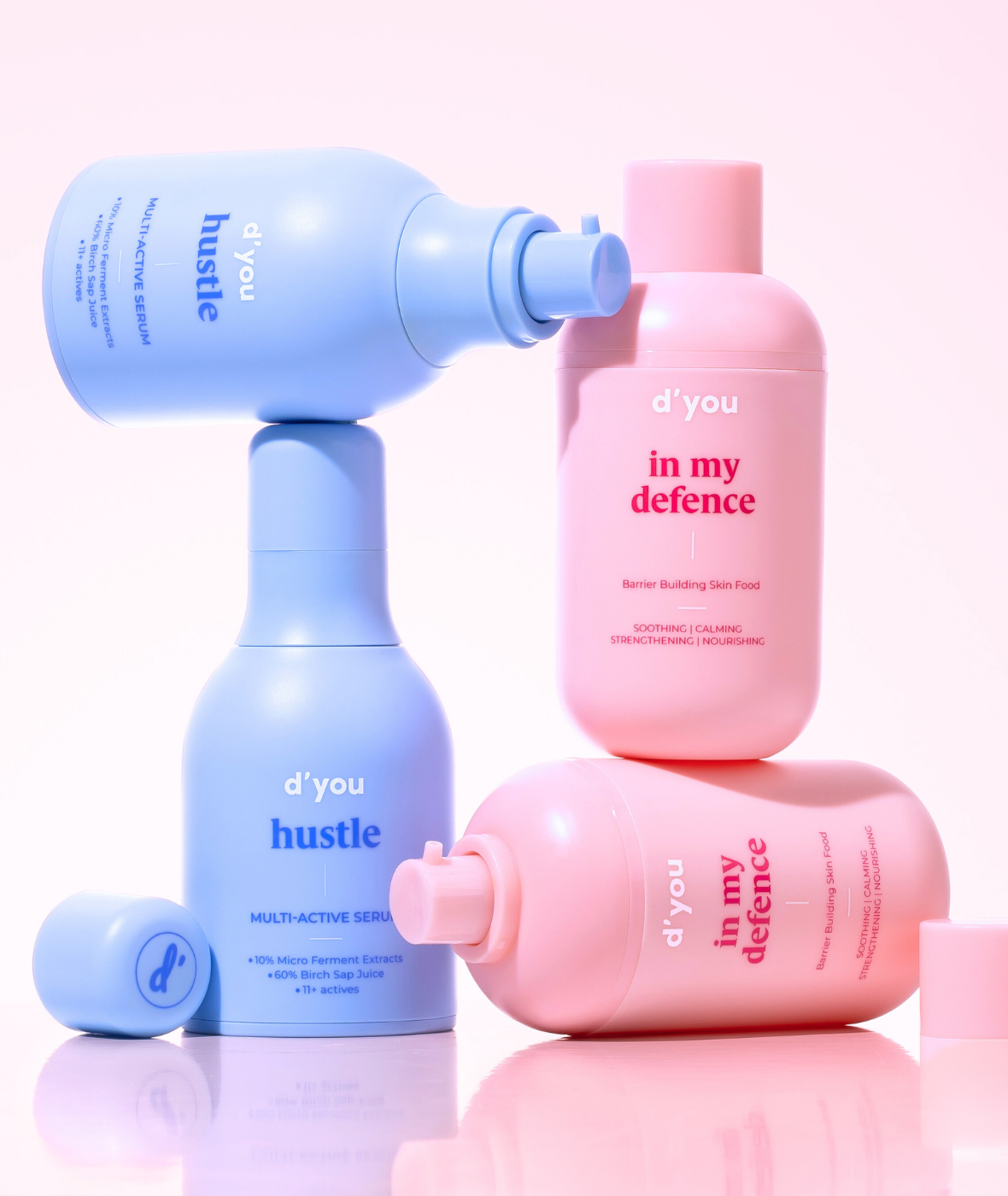
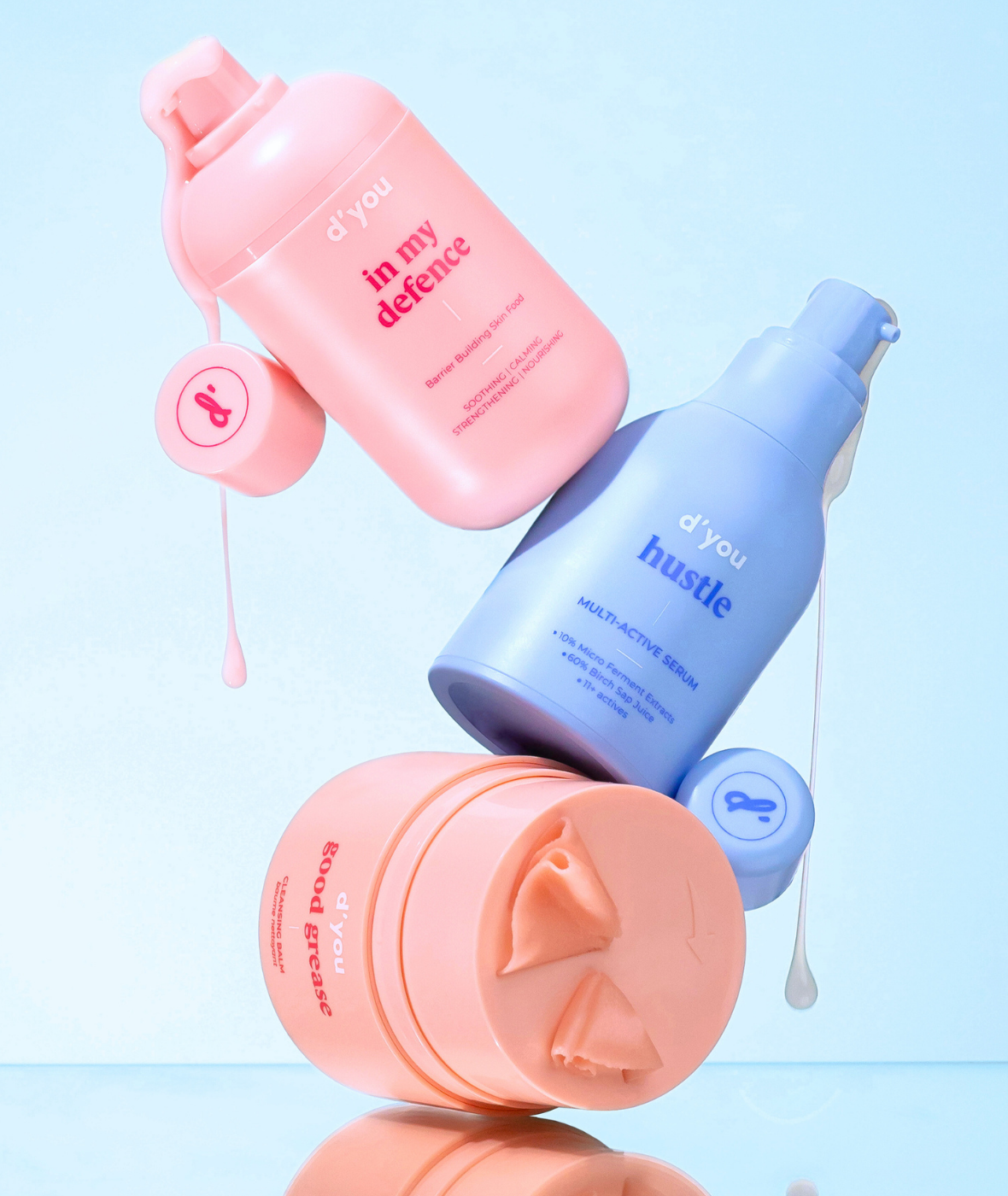
At d’you, we don’t change formulas to keep up with trends. We change them when we find something that genuinely moves the needle. The upgrade to hustle is the most significant formula decision we’ve made since launching the serum. It isn’t a packaging refresh or a marketing pivot. It’s a fundamental improvement in what hustle is capable of doing for your skin - and it’s built on science that the Indian skincare industry hasn’t yet seen in a mainstream serum before. And the timing couldn’t be more apt. India is going through Super El Nino with extreme temperatures and UV indexes surpassing the safety threshold. So how does the hustle upgrade play into this? We made a significant addition to hustle’s formula that addresses an often overlooked category of UV damage within our skin layers. More in detail below.

The Main Change - We Removed Vitamin C (Derivatives) From the Formula

Vitamin C has been the skincare industry’s default antioxidant for decades - and for good reason. It neutralises free radicals, offers some brightening benefits, and is widely understood by consumers. But it carries a structural problem that the industry has been slow to address. When Vitamin C and its derivatives oxidise upon exposure to air and light, a process that often turns serums yellow, they lose potency and may increase the risk of skin sensitisation, irritation, or breakouts. , causing skin sensitization, irritation or breakouts¹. Beyond being notoriously unstable, there is a more fundamental limitation: Vitamin C and its derivatives were never designed to address what happens to your skin after UV exposure ends. And that, it turns out, is where a significant and largely unaddressed problem lives.

The Problem - Nobody Was Talking About Delayed UV Damage

Most people understand UV damage in simple terms - sun hits skin, damage happens, SPF prevents it. The reality is more complex, and the more important half of the story happens after you’ve stepped indoors.

When UV radiation hits your skin, it triggers two distinct waves of DNA damage - and most skincare only ever addresses the first one.

The first wave happens in real time. During UV exposure, energy from UV photons directly damages your skin’s DNA, forming what are called incident cyclobutane pyrimidine dimers (iCPDs). This is the damage your SPF is designed to reduce - by absorbing or reflecting UV before it reaches your skin cells. Antioxidants like Vitamin C also play a role here, neutralising the free radicals generated during this first wave. This is well understood. This is what the industry has been addressing for decades.

The second wave is the one nobody talks about. Hours after UV exposure ends - after you’re indoors, after you’ve washed your face, sometimes while you sleep - your skin continues forming a second category of DNA lesions called delayed cyclobutane pyrimidine dimers (dCPDs). These form through a process called chemiexcitation: UV exposure activates enzymes inside your melanocytes that produce peroxynitrite, which then oxidises melanin - your skin’s own pigment - into high-energy melanin-carbonyls. These excited molecules transfer their energy directly to your DNA in the dark, forming dCPDs entirely without any further UV exposure. Research suggests that at any given point after UV exposure, approximately 50% of all CPDs being formed are dCPDs - dark, delayed, and completely invisible to your SPF². (This is why despite wearing sunscreen, sometimes you just cannot escape melasma or tanning.)

Your sunscreen has already done its job and left the building. Vitamin C has depleted itself neutralising first-wave free radicals. Neither has any mechanism for what is still happening inside your cells hours later.

This is the gap hustle’s upgrade is specifically formulated to address.

Enter Acetyl Zingerone, The Omni-Antioxidant

What It Is and What the Research Shows

Acetyl Zingerone is a next-generation antioxidant ingredient derived from ginger, backed by multiple published peer-reviewed studies - including a landmark study conducted in collaboration with Moffitt Cancer Center, one of the world’s leading cancer research institutions. These studies demonstrate a specific and powerful ability to interrupt the chemiexcitation cascade - inhibiting dark CPD (dCPD) formation by approximately 82% in cell-based studies, while also reducing incident CPD (iCPD) formation. To be precise, these figures come from in-vitro research conducted in isolated melanocyte cell cultures, and real-world skin results will vary. The mechanism is established, peer-reviewed, and the primary reason we chose this ingredient above everything else we evaluated³.

The Dosage Rationale

In the cell culture study, AZ was applied at 25-50 µg/mL - roughly equivalent to 0.0025-0.005% in solution - with no skin barrier to cross. In hustle’s formula, AZ is present at 0.5% - approximately 100 to 200 times higher than the study concentration. This is a deliberate formulation decision and we will tell you why. In a finished topical product applied to intact skin, an active must survive the stratum corneum before it can reach the viable epidermis where chemiexcitation actually occurs. Our lab compensated for this barrier loss by working at higher surface concentrations - so that even after trans-epidermal attenuation, a meaningful dose arrives where it needs to.

How It Gets Where It Needs to Go - The Delivery Mechanism

AZ is well-suited to epidermal delivery. With a molecular weight of 236 Daltons - well below the 500-Dalton threshold widely referenced as the ceiling for passive skin penetration - and a moderately lipophilic structure, AZ is inherently capable of crossing the stratum corneum without requiring specialised encapsulation technology.

Hustle’s formula further supports this through a combination of penetration-enhancing co-solvents: pentylene glycol at meaningful cumulative levels acts as the primary enhancer, transiently increasing stratum corneum lipid fluidity to improve active delivery; 1,2-hexanediol contributes as a co-solvent that increases the thermodynamic activity of dissolved actives, pushing them toward the epidermis; and isononyl isononanoate conditions the stratum corneum and extends skin contact time.

Why Dermal Penetration Is Not the Goal - And Not the Claim

It is worth stating clearly: AZ does not need to reach the dermis to do its job. Chemiexcitation - the process it is specifically targeting - takes place in the epidermis. Melanocytes, the cells where dark CPD formation occurs, reside in the stratum basale - the deepest layer of the epidermis - and therefore epidermal delivery is both sufficient and the correct target we focused on for hustle’s formulation. 

Five Pathways - Why It’s an Omni-Antioxidant

What makes AZ categorically different from conventional antioxidants is that it doesn’t work through a single protective pathway (like Vitamin C). It operates as an omni-antioxidant, protecting skin through five simultaneous mechanisms:³

  1. Direct antioxidant - neutralising free radicals via hydrogen atom donation
  2. Physical quencher - quenching singlet oxygen before it can damage DNA
  3. Selective chelator - binding pro-oxidant metals that drive oxidative reactions
  4. Oxidase inhibitor - reducing enzymatic oxidative activity in the skin
  5. Antioxidant defence booster - upregulating your skin’s own endogenous protective systems

Vitamin C on the other hand, works through only one of these pathways - and depletes itself doing so. AZ works through all five - and is photostable: 87% of AZ remains chemically intact after exposure to solar-simulated UV radiation⁴.

AZ is an ingredient with serious, multi-study science behind it and almost no adoption in mainstream cosmetic formulations globally (except a handful of brands like Medik8). We are among the first brands in India to build a serum around its specific post-UV protection mechanism - and to our knowledge, the first to bring it to the Indian skincare market at this level of intentionality.

The Second Change: Sclareolide & Niacinamide - The Pigmentation Pairing

There is a quiet problem building in most Indian skincare routines right now. Niacinamide is everywhere - in serums, moisturisers, sunscreens, toners, and eye creams simultaneously. As a result, more and more people are experiencing sensitisation not because Niacinamide is a bad ingredient, but because cumulative daily exposure across five or six products is simply too much for the skin to handle without reaction.

hustle already contains 5% Niacinamide - one of its core brightening actives. Adding Sclareolide alongside it was a deliberate decision to make the Niacinamide work smarter, not harder. Sclareolide is a plant-derived anti-inflammatory derived from clary sage, with a well-documented ability to calm the inflammatory signals that drive post-inflammatory hyperpigmentation - the persistent dark marks left after acne, irritation, or any skin trauma. Its anti-inflammatory action creates a more settled skin environment in which Niacinamide can do its brightening work without tipping sensitive or overloaded skin into reaction.

More importantly, this pairing has clinical backing. In a randomised investigator-blinded trial, a combination of Sclareolide and Niacinamide was tested specifically for PIH prevention in people with medium to dark skin tones - Fitzpatrick types IV and V - which maps directly to the Indian skin types hustle is formulated for. The study demonstrated statistically significant improvement across multiple endpoints, with results improving by 48 to 87% compared to control. This is not a general antioxidant claim. It is pigmentation-specific, skin-of-colour-specific clinical evidence - and it is exactly the kind of proof we require before making a formula decision⁵.

Why This Matters for Indian Skin - And Why Now

Indian skin carries a dual burden that most global skincare formulations were not designed for: intense year-round UV exposure that accelerates pigmentation and ageing, compounded by urban pollution levels that add a daily layer of oxidative stress most Western formulations were never stress-tested against.

The upgraded hustle addresses this directly. AZ handles the UV damage that starts after the sun goes down. Sclareolide and Niacinamide together handle the pigmentation and inflammation that Indian skin disproportionately struggles with. The five-pathway antioxidant defence, the post-UV chemiexcitation protection, and the clinically studied pigmentation pairing - all in one formula.

To our knowledge, no mainstream Indian skincare brand has brought this combination of mechanisms together in a single serum. This is not an incremental upgrade. It is a genuine step forward in what a serum can do for skin like ours - and it is the standard we intend to hold ourselves to every time we touch a formula.


References

1.  Pinnell SR. Cutaneous photodamage, oxidative stress, and topical antioxidant protection. Journal of the American Academy of Dermatology, 2003.

2.  Chaudhuri RK et al. Acetyl zingerone: An efficacious multifunctional ingredient for continued protection against ongoing DNA damage in melanocytes after sun exposure ends. International Journal of Cosmetic Science, 2020. https://pmc.ncbi.nlm.nih.gov/articles/PMC7004018/

3.  Srivastava J et al. (Moffitt Cancer Center & Sytheon). The Role of Acetyl Zingerone and Its Derivatives in Inhibiting UV-Induced, Incident, and Delayed Cyclobutane Pyrimidine Dimers. Antioxidants, MDPI, 2023. https://doi.org/10.3390/antiox12020278

4.  Meyer TA, Swindell WR, Chaudhuri RK. Acetyl Zingerone: A Photostable Multifunctional Skincare Ingredient That Combats Features of Intrinsic and Extrinsic Skin Aging. PMC, 2023. https://pmc.ncbi.nlm.nih.gov/articles/PMC10295400/

5.  Markiewicz E et al. An investigator-blinded randomised trial of a broad-spectrum sunscreen containing Sclareolide and Niacinamide for the prevention of post-inflammatory hyperpigmentation in skin of colour. Dermatology and Therapy, 2025. https://pubmed.ncbi.nlm.nih.gov/41240206/

All claims referencing in-vitro and in-vivo studies are attributed to the ingredients as clinically studied and peer-reviewed by independent publications and scientists.


Date

BY

Shamika Haldipurkar

At d’you, we don’t change formulas to keep up with trends. We change them when we find something that genuinely moves the needle. The upgrade to hustle is the most significant formula decision we’ve made since launching the serum. It isn’t a packaging refresh or a marketing pivot. It’s a fundamental improvement in what hustle is capable of doing for your skin - and it’s built on science that the Indian skincare industry hasn’t yet seen in a mainstream serum before. And the timing couldn’t be more apt. India is going through Super El Nino with extreme temperatures and UV indexes surpassing the safety threshold. So how does the hustle upgrade play into this? We made a significant addition to hustle’s formula that addresses an often overlooked category of UV damage within our skin layers. More in detail below.

The Main Change - We Removed Vitamin C (Derivatives) From the Formula

Vitamin C has been the skincare industry’s default antioxidant for decades - and for good reason. It neutralises free radicals, offers some brightening benefits, and is widely understood by consumers. But it carries a structural problem that the industry has been slow to address. When Vitamin C and its derivatives oxidise upon exposure to air and light, a process that often turns serums yellow, they lose potency and may increase the risk of skin sensitisation, irritation, or breakouts. , causing skin sensitization, irritation or breakouts¹. Beyond being notoriously unstable, there is a more fundamental limitation: Vitamin C and its derivatives were never designed to address what happens to your skin after UV exposure ends. And that, it turns out, is where a significant and largely unaddressed problem lives.

The Problem - Nobody Was Talking About Delayed UV Damage

Most people understand UV damage in simple terms - sun hits skin, damage happens, SPF prevents it. The reality is more complex, and the more important half of the story happens after you’ve stepped indoors.

When UV radiation hits your skin, it triggers two distinct waves of DNA damage - and most skincare only ever addresses the first one.

The first wave happens in real time. During UV exposure, energy from UV photons directly damages your skin’s DNA, forming what are called incident cyclobutane pyrimidine dimers (iCPDs). This is the damage your SPF is designed to reduce - by absorbing or reflecting UV before it reaches your skin cells. Antioxidants like Vitamin C also play a role here, neutralising the free radicals generated during this first wave. This is well understood. This is what the industry has been addressing for decades.

The second wave is the one nobody talks about. Hours after UV exposure ends - after you’re indoors, after you’ve washed your face, sometimes while you sleep - your skin continues forming a second category of DNA lesions called delayed cyclobutane pyrimidine dimers (dCPDs). These form through a process called chemiexcitation: UV exposure activates enzymes inside your melanocytes that produce peroxynitrite, which then oxidises melanin - your skin’s own pigment - into high-energy melanin-carbonyls. These excited molecules transfer their energy directly to your DNA in the dark, forming dCPDs entirely without any further UV exposure. Research suggests that at any given point after UV exposure, approximately 50% of all CPDs being formed are dCPDs - dark, delayed, and completely invisible to your SPF². (This is why despite wearing sunscreen, sometimes you just cannot escape melasma or tanning.)

Your sunscreen has already done its job and left the building. Vitamin C has depleted itself neutralising first-wave free radicals. Neither has any mechanism for what is still happening inside your cells hours later.

This is the gap hustle’s upgrade is specifically formulated to address.

Enter Acetyl Zingerone, The Omni-Antioxidant

What It Is and What the Research Shows

Acetyl Zingerone is a next-generation antioxidant ingredient derived from ginger, backed by multiple published peer-reviewed studies - including a landmark study conducted in collaboration with Moffitt Cancer Center, one of the world’s leading cancer research institutions. These studies demonstrate a specific and powerful ability to interrupt the chemiexcitation cascade - inhibiting dark CPD (dCPD) formation by approximately 82% in cell-based studies, while also reducing incident CPD (iCPD) formation. To be precise, these figures come from in-vitro research conducted in isolated melanocyte cell cultures, and real-world skin results will vary. The mechanism is established, peer-reviewed, and the primary reason we chose this ingredient above everything else we evaluated³.

The Dosage Rationale

In the cell culture study, AZ was applied at 25-50 µg/mL - roughly equivalent to 0.0025-0.005% in solution - with no skin barrier to cross. In hustle’s formula, AZ is present at 0.5% - approximately 100 to 200 times higher than the study concentration. This is a deliberate formulation decision and we will tell you why. In a finished topical product applied to intact skin, an active must survive the stratum corneum before it can reach the viable epidermis where chemiexcitation actually occurs. Our lab compensated for this barrier loss by working at higher surface concentrations - so that even after trans-epidermal attenuation, a meaningful dose arrives where it needs to.

How It Gets Where It Needs to Go - The Delivery Mechanism

AZ is well-suited to epidermal delivery. With a molecular weight of 236 Daltons - well below the 500-Dalton threshold widely referenced as the ceiling for passive skin penetration - and a moderately lipophilic structure, AZ is inherently capable of crossing the stratum corneum without requiring specialised encapsulation technology.

Hustle’s formula further supports this through a combination of penetration-enhancing co-solvents: pentylene glycol at meaningful cumulative levels acts as the primary enhancer, transiently increasing stratum corneum lipid fluidity to improve active delivery; 1,2-hexanediol contributes as a co-solvent that increases the thermodynamic activity of dissolved actives, pushing them toward the epidermis; and isononyl isononanoate conditions the stratum corneum and extends skin contact time.

Why Dermal Penetration Is Not the Goal - And Not the Claim

It is worth stating clearly: AZ does not need to reach the dermis to do its job. Chemiexcitation - the process it is specifically targeting - takes place in the epidermis. Melanocytes, the cells where dark CPD formation occurs, reside in the stratum basale - the deepest layer of the epidermis - and therefore epidermal delivery is both sufficient and the correct target we focused on for hustle’s formulation. 

Five Pathways - Why It’s an Omni-Antioxidant

What makes AZ categorically different from conventional antioxidants is that it doesn’t work through a single protective pathway (like Vitamin C). It operates as an omni-antioxidant, protecting skin through five simultaneous mechanisms:³

  1. Direct antioxidant - neutralising free radicals via hydrogen atom donation
  2. Physical quencher - quenching singlet oxygen before it can damage DNA
  3. Selective chelator - binding pro-oxidant metals that drive oxidative reactions
  4. Oxidase inhibitor - reducing enzymatic oxidative activity in the skin
  5. Antioxidant defence booster - upregulating your skin’s own endogenous protective systems

Vitamin C on the other hand, works through only one of these pathways - and depletes itself doing so. AZ works through all five - and is photostable: 87% of AZ remains chemically intact after exposure to solar-simulated UV radiation⁴.

AZ is an ingredient with serious, multi-study science behind it and almost no adoption in mainstream cosmetic formulations globally (except a handful of brands like Medik8). We are among the first brands in India to build a serum around its specific post-UV protection mechanism - and to our knowledge, the first to bring it to the Indian skincare market at this level of intentionality.

The Second Change: Sclareolide & Niacinamide - The Pigmentation Pairing

There is a quiet problem building in most Indian skincare routines right now. Niacinamide is everywhere - in serums, moisturisers, sunscreens, toners, and eye creams simultaneously. As a result, more and more people are experiencing sensitisation not because Niacinamide is a bad ingredient, but because cumulative daily exposure across five or six products is simply too much for the skin to handle without reaction.

hustle already contains 5% Niacinamide - one of its core brightening actives. Adding Sclareolide alongside it was a deliberate decision to make the Niacinamide work smarter, not harder. Sclareolide is a plant-derived anti-inflammatory derived from clary sage, with a well-documented ability to calm the inflammatory signals that drive post-inflammatory hyperpigmentation - the persistent dark marks left after acne, irritation, or any skin trauma. Its anti-inflammatory action creates a more settled skin environment in which Niacinamide can do its brightening work without tipping sensitive or overloaded skin into reaction.

More importantly, this pairing has clinical backing. In a randomised investigator-blinded trial, a combination of Sclareolide and Niacinamide was tested specifically for PIH prevention in people with medium to dark skin tones - Fitzpatrick types IV and V - which maps directly to the Indian skin types hustle is formulated for. The study demonstrated statistically significant improvement across multiple endpoints, with results improving by 48 to 87% compared to control. This is not a general antioxidant claim. It is pigmentation-specific, skin-of-colour-specific clinical evidence - and it is exactly the kind of proof we require before making a formula decision⁵.

Why This Matters for Indian Skin - And Why Now

Indian skin carries a dual burden that most global skincare formulations were not designed for: intense year-round UV exposure that accelerates pigmentation and ageing, compounded by urban pollution levels that add a daily layer of oxidative stress most Western formulations were never stress-tested against.

The upgraded hustle addresses this directly. AZ handles the UV damage that starts after the sun goes down. Sclareolide and Niacinamide together handle the pigmentation and inflammation that Indian skin disproportionately struggles with. The five-pathway antioxidant defence, the post-UV chemiexcitation protection, and the clinically studied pigmentation pairing - all in one formula.

To our knowledge, no mainstream Indian skincare brand has brought this combination of mechanisms together in a single serum. This is not an incremental upgrade. It is a genuine step forward in what a serum can do for skin like ours - and it is the standard we intend to hold ourselves to every time we touch a formula.


References

1.  Pinnell SR. Cutaneous photodamage, oxidative stress, and topical antioxidant protection. Journal of the American Academy of Dermatology, 2003.

2.  Chaudhuri RK et al. Acetyl zingerone: An efficacious multifunctional ingredient for continued protection against ongoing DNA damage in melanocytes after sun exposure ends. International Journal of Cosmetic Science, 2020. https://pmc.ncbi.nlm.nih.gov/articles/PMC7004018/

3.  Srivastava J et al. (Moffitt Cancer Center & Sytheon). The Role of Acetyl Zingerone and Its Derivatives in Inhibiting UV-Induced, Incident, and Delayed Cyclobutane Pyrimidine Dimers. Antioxidants, MDPI, 2023. https://doi.org/10.3390/antiox12020278

4.  Meyer TA, Swindell WR, Chaudhuri RK. Acetyl Zingerone: A Photostable Multifunctional Skincare Ingredient That Combats Features of Intrinsic and Extrinsic Skin Aging. PMC, 2023. https://pmc.ncbi.nlm.nih.gov/articles/PMC10295400/

5.  Markiewicz E et al. An investigator-blinded randomised trial of a broad-spectrum sunscreen containing Sclareolide and Niacinamide for the prevention of post-inflammatory hyperpigmentation in skin of colour. Dermatology and Therapy, 2025. https://pubmed.ncbi.nlm.nih.gov/41240206/

All claims referencing in-vitro and in-vivo studies are attributed to the ingredients as clinically studied and peer-reviewed by independent publications and scientists.


BY

Shamika Haldipurkar

At d’you, we don’t change formulas to keep up with trends. We change them when we find something that genuinely moves the needle. The upgrade to hustle is the most significant formula decision we’ve made since launching the serum. It isn’t a packaging refresh or a marketing pivot. It’s a fundamental improvement in what hustle is capable of doing for your skin - and it’s built on science that the Indian skincare industry hasn’t yet seen in a mainstream serum before. And the timing couldn’t be more apt. India is going through Super El Nino with extreme temperatures and UV indexes surpassing the safety threshold. So how does the hustle upgrade play into this? We made a significant addition to hustle’s formula that addresses an often overlooked category of UV damage within our skin layers. More in detail below.

The Main Change - We Removed Vitamin C (Derivatives) From the Formula

Vitamin C has been the skincare industry’s default antioxidant for decades - and for good reason. It neutralises free radicals, offers some brightening benefits, and is widely understood by consumers. But it carries a structural problem that the industry has been slow to address. When Vitamin C and its derivatives oxidise upon exposure to air and light, a process that often turns serums yellow, they lose potency and may increase the risk of skin sensitisation, irritation, or breakouts. , causing skin sensitization, irritation or breakouts¹. Beyond being notoriously unstable, there is a more fundamental limitation: Vitamin C and its derivatives were never designed to address what happens to your skin after UV exposure ends. And that, it turns out, is where a significant and largely unaddressed problem lives.

The Problem - Nobody Was Talking About Delayed UV Damage

Most people understand UV damage in simple terms - sun hits skin, damage happens, SPF prevents it. The reality is more complex, and the more important half of the story happens after you’ve stepped indoors.

When UV radiation hits your skin, it triggers two distinct waves of DNA damage - and most skincare only ever addresses the first one.

The first wave happens in real time. During UV exposure, energy from UV photons directly damages your skin’s DNA, forming what are called incident cyclobutane pyrimidine dimers (iCPDs). This is the damage your SPF is designed to reduce - by absorbing or reflecting UV before it reaches your skin cells. Antioxidants like Vitamin C also play a role here, neutralising the free radicals generated during this first wave. This is well understood. This is what the industry has been addressing for decades.

The second wave is the one nobody talks about. Hours after UV exposure ends - after you’re indoors, after you’ve washed your face, sometimes while you sleep - your skin continues forming a second category of DNA lesions called delayed cyclobutane pyrimidine dimers (dCPDs). These form through a process called chemiexcitation: UV exposure activates enzymes inside your melanocytes that produce peroxynitrite, which then oxidises melanin - your skin’s own pigment - into high-energy melanin-carbonyls. These excited molecules transfer their energy directly to your DNA in the dark, forming dCPDs entirely without any further UV exposure. Research suggests that at any given point after UV exposure, approximately 50% of all CPDs being formed are dCPDs - dark, delayed, and completely invisible to your SPF². (This is why despite wearing sunscreen, sometimes you just cannot escape melasma or tanning.)

Your sunscreen has already done its job and left the building. Vitamin C has depleted itself neutralising first-wave free radicals. Neither has any mechanism for what is still happening inside your cells hours later.

This is the gap hustle’s upgrade is specifically formulated to address.

Enter Acetyl Zingerone, The Omni-Antioxidant

What It Is and What the Research Shows

Acetyl Zingerone is a next-generation antioxidant ingredient derived from ginger, backed by multiple published peer-reviewed studies - including a landmark study conducted in collaboration with Moffitt Cancer Center, one of the world’s leading cancer research institutions. These studies demonstrate a specific and powerful ability to interrupt the chemiexcitation cascade - inhibiting dark CPD (dCPD) formation by approximately 82% in cell-based studies, while also reducing incident CPD (iCPD) formation. To be precise, these figures come from in-vitro research conducted in isolated melanocyte cell cultures, and real-world skin results will vary. The mechanism is established, peer-reviewed, and the primary reason we chose this ingredient above everything else we evaluated³.

The Dosage Rationale

In the cell culture study, AZ was applied at 25-50 µg/mL - roughly equivalent to 0.0025-0.005% in solution - with no skin barrier to cross. In hustle’s formula, AZ is present at 0.5% - approximately 100 to 200 times higher than the study concentration. This is a deliberate formulation decision and we will tell you why. In a finished topical product applied to intact skin, an active must survive the stratum corneum before it can reach the viable epidermis where chemiexcitation actually occurs. Our lab compensated for this barrier loss by working at higher surface concentrations - so that even after trans-epidermal attenuation, a meaningful dose arrives where it needs to.

How It Gets Where It Needs to Go - The Delivery Mechanism

AZ is well-suited to epidermal delivery. With a molecular weight of 236 Daltons - well below the 500-Dalton threshold widely referenced as the ceiling for passive skin penetration - and a moderately lipophilic structure, AZ is inherently capable of crossing the stratum corneum without requiring specialised encapsulation technology.

Hustle’s formula further supports this through a combination of penetration-enhancing co-solvents: pentylene glycol at meaningful cumulative levels acts as the primary enhancer, transiently increasing stratum corneum lipid fluidity to improve active delivery; 1,2-hexanediol contributes as a co-solvent that increases the thermodynamic activity of dissolved actives, pushing them toward the epidermis; and isononyl isononanoate conditions the stratum corneum and extends skin contact time.

Why Dermal Penetration Is Not the Goal - And Not the Claim

It is worth stating clearly: AZ does not need to reach the dermis to do its job. Chemiexcitation - the process it is specifically targeting - takes place in the epidermis. Melanocytes, the cells where dark CPD formation occurs, reside in the stratum basale - the deepest layer of the epidermis - and therefore epidermal delivery is both sufficient and the correct target we focused on for hustle’s formulation. 

Five Pathways - Why It’s an Omni-Antioxidant

What makes AZ categorically different from conventional antioxidants is that it doesn’t work through a single protective pathway (like Vitamin C). It operates as an omni-antioxidant, protecting skin through five simultaneous mechanisms:³

  1. Direct antioxidant - neutralising free radicals via hydrogen atom donation
  2. Physical quencher - quenching singlet oxygen before it can damage DNA
  3. Selective chelator - binding pro-oxidant metals that drive oxidative reactions
  4. Oxidase inhibitor - reducing enzymatic oxidative activity in the skin
  5. Antioxidant defence booster - upregulating your skin’s own endogenous protective systems

Vitamin C on the other hand, works through only one of these pathways - and depletes itself doing so. AZ works through all five - and is photostable: 87% of AZ remains chemically intact after exposure to solar-simulated UV radiation⁴.

AZ is an ingredient with serious, multi-study science behind it and almost no adoption in mainstream cosmetic formulations globally (except a handful of brands like Medik8). We are among the first brands in India to build a serum around its specific post-UV protection mechanism - and to our knowledge, the first to bring it to the Indian skincare market at this level of intentionality.

The Second Change: Sclareolide & Niacinamide - The Pigmentation Pairing

There is a quiet problem building in most Indian skincare routines right now. Niacinamide is everywhere - in serums, moisturisers, sunscreens, toners, and eye creams simultaneously. As a result, more and more people are experiencing sensitisation not because Niacinamide is a bad ingredient, but because cumulative daily exposure across five or six products is simply too much for the skin to handle without reaction.

hustle already contains 5% Niacinamide - one of its core brightening actives. Adding Sclareolide alongside it was a deliberate decision to make the Niacinamide work smarter, not harder. Sclareolide is a plant-derived anti-inflammatory derived from clary sage, with a well-documented ability to calm the inflammatory signals that drive post-inflammatory hyperpigmentation - the persistent dark marks left after acne, irritation, or any skin trauma. Its anti-inflammatory action creates a more settled skin environment in which Niacinamide can do its brightening work without tipping sensitive or overloaded skin into reaction.

More importantly, this pairing has clinical backing. In a randomised investigator-blinded trial, a combination of Sclareolide and Niacinamide was tested specifically for PIH prevention in people with medium to dark skin tones - Fitzpatrick types IV and V - which maps directly to the Indian skin types hustle is formulated for. The study demonstrated statistically significant improvement across multiple endpoints, with results improving by 48 to 87% compared to control. This is not a general antioxidant claim. It is pigmentation-specific, skin-of-colour-specific clinical evidence - and it is exactly the kind of proof we require before making a formula decision⁵.

Why This Matters for Indian Skin - And Why Now

Indian skin carries a dual burden that most global skincare formulations were not designed for: intense year-round UV exposure that accelerates pigmentation and ageing, compounded by urban pollution levels that add a daily layer of oxidative stress most Western formulations were never stress-tested against.

The upgraded hustle addresses this directly. AZ handles the UV damage that starts after the sun goes down. Sclareolide and Niacinamide together handle the pigmentation and inflammation that Indian skin disproportionately struggles with. The five-pathway antioxidant defence, the post-UV chemiexcitation protection, and the clinically studied pigmentation pairing - all in one formula.

To our knowledge, no mainstream Indian skincare brand has brought this combination of mechanisms together in a single serum. This is not an incremental upgrade. It is a genuine step forward in what a serum can do for skin like ours - and it is the standard we intend to hold ourselves to every time we touch a formula.


References

1.  Pinnell SR. Cutaneous photodamage, oxidative stress, and topical antioxidant protection. Journal of the American Academy of Dermatology, 2003.

2.  Chaudhuri RK et al. Acetyl zingerone: An efficacious multifunctional ingredient for continued protection against ongoing DNA damage in melanocytes after sun exposure ends. International Journal of Cosmetic Science, 2020. https://pmc.ncbi.nlm.nih.gov/articles/PMC7004018/

3.  Srivastava J et al. (Moffitt Cancer Center & Sytheon). The Role of Acetyl Zingerone and Its Derivatives in Inhibiting UV-Induced, Incident, and Delayed Cyclobutane Pyrimidine Dimers. Antioxidants, MDPI, 2023. https://doi.org/10.3390/antiox12020278

4.  Meyer TA, Swindell WR, Chaudhuri RK. Acetyl Zingerone: A Photostable Multifunctional Skincare Ingredient That Combats Features of Intrinsic and Extrinsic Skin Aging. PMC, 2023. https://pmc.ncbi.nlm.nih.gov/articles/PMC10295400/

5.  Markiewicz E et al. An investigator-blinded randomised trial of a broad-spectrum sunscreen containing Sclareolide and Niacinamide for the prevention of post-inflammatory hyperpigmentation in skin of colour. Dermatology and Therapy, 2025. https://pubmed.ncbi.nlm.nih.gov/41240206/

All claims referencing in-vitro and in-vivo studies are attributed to the ingredients as clinically studied and peer-reviewed by independent publications and scientists.